


MiniFeet® Recycled Collection – Products Made from Recycled PET Bottles
Cuddly Characters with a Distinctive Material Story
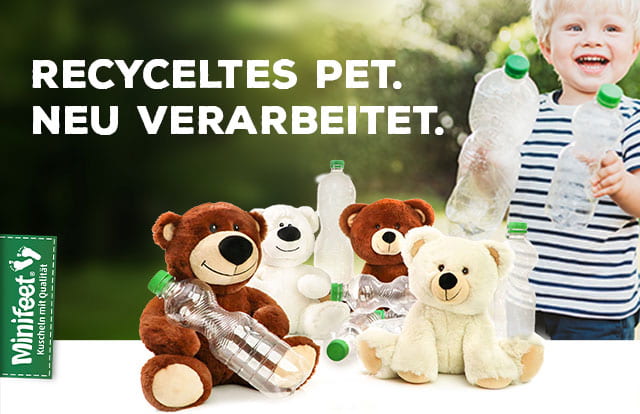
This product range includes selected cuddly toys where both the outer fabric and the filling are made from recycled PET derived from used PET bottles. The range is continually being expanded and includes a variety of models and designs.
The eyes and noses of the RecycelBären® and other cuddly toys in the recycled range are embroidered rather than made from separate plastic parts. This means that no additional plastic components are used for these details. The precise material composition is defined individually for each product and specified in the relevant product information.
Carbon Footprint Accounting and Support for Climate Action Projects
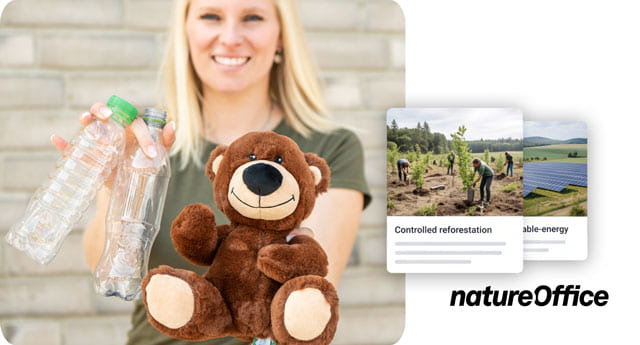
For selected products, defined emission components associated with specified production stages are calculated and documented using a model-based methodology. In addition, a voluntary financial contribution can be made in collaboration with natureOffice to support a selected climate action project.
The support for the project is provided in addition to measures aimed at avoiding and reducing emissions. However, it does not alter the emissions actually generated by the product and does not make the product climate neutral or carbon neutral.
Customisation Options
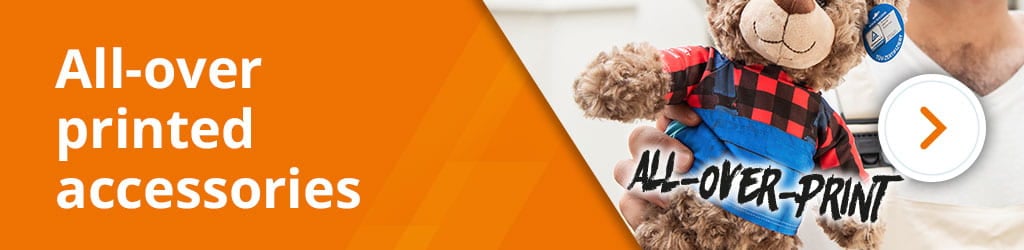
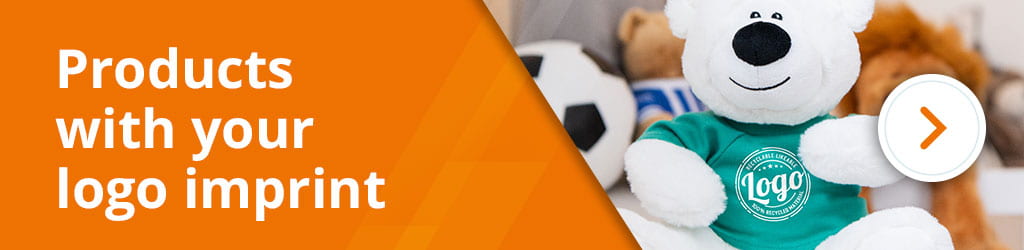
Like all MiniFeet® cuddly toys, the models in the recycled range can be customised. Depending on the model, various accessories are available, including mini T-shirts and textiles suitable for all-over printing.
Our Recycle range:
-
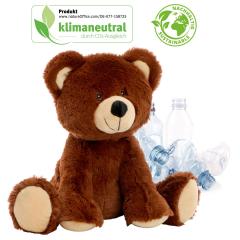
M160950
MiniFeet® RecycleBear -
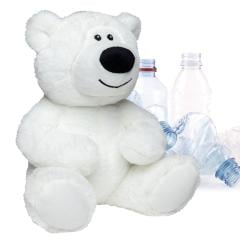
M160951
MiniFeet® RecycleBear® Ice -
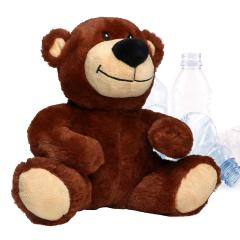
M160952
MiniFeet® RecycleBear® Nature -
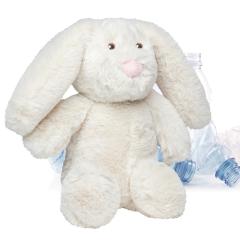
M160953
MiniFeet® RecycleRabbit® -
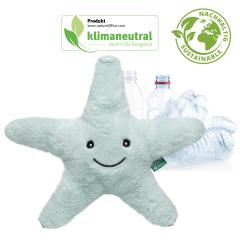
M160954
MiniFeet® RecycelStarfish -
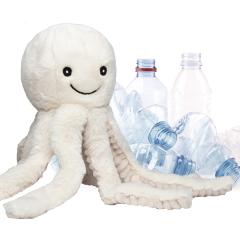
M160955
MiniFeet® RecycleOctopus
-
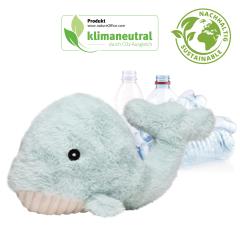
M160956
MiniFeet® RecycleWhale -
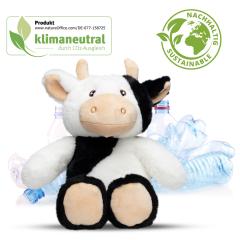
M160962
MiniFeet® RecycleCow -
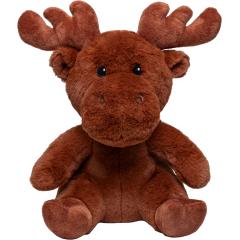
M160969
MiniFeet® RecycleMoose -
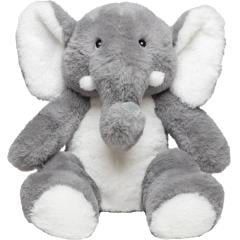
M160970
MiniFeet® RecycelElephant -
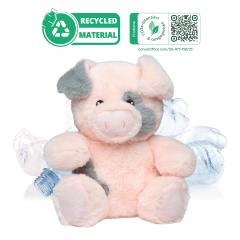

M160977
MiniFeet® RecyclePig -
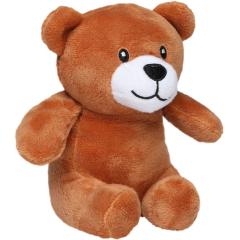
M160978
MiniFeet® Recycelino Bear
-
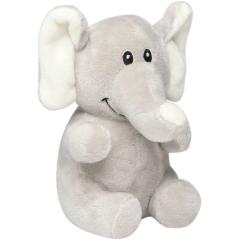
M160979
MiniFeet® Recycelino Elephant -
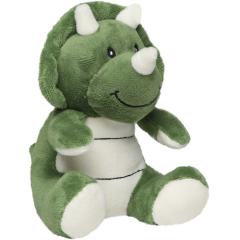
M160980
MiniFeet® Recycelino Dino -
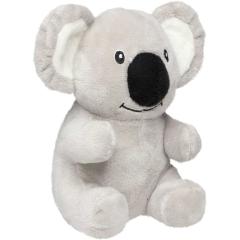
M160981
MiniFeet® Recycelino Koala -
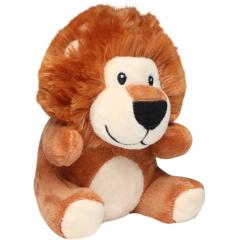
M160982
MiniFeet® Recycelino Lion -
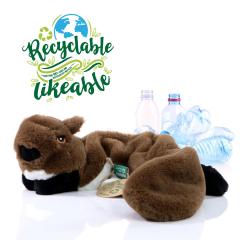
M170040
MiniFeet® Dog toy RecycleBeaver -
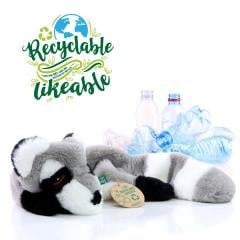
M170041
MiniFeet® Dog toy RecycleRaccoon
This is how PET bottles are turned into MiniFeet® RecycelBears:
Cleaning
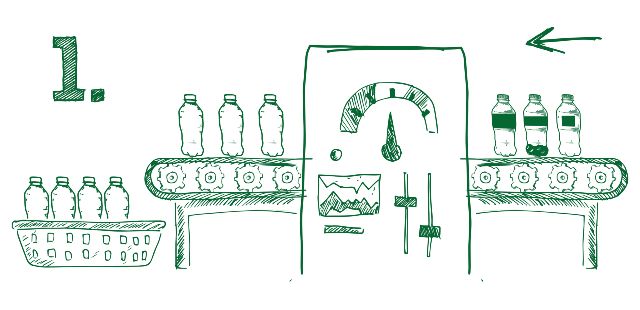
The PET flakes are melted down and processed into what is known as regranulate.
Shredding the PET Bottles
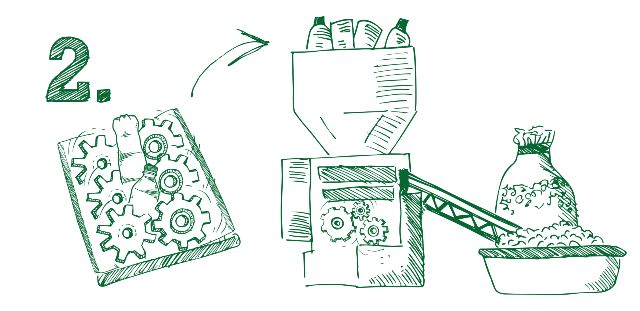
The cleaned PET bottles are shredded into small, evenly sized flakes. These PET flakes form the raw material for the next stage of processing.
Processing into Regranulate
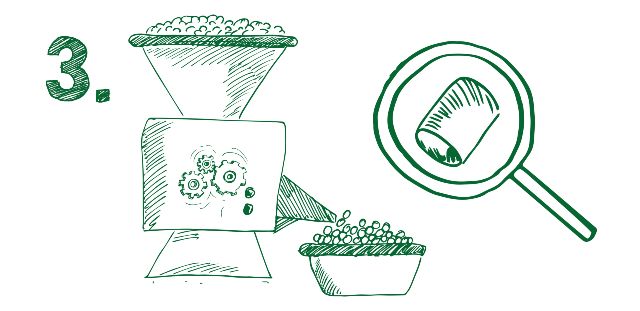
The PET flakes are melted down and processed into regranulate.
Producing the Fibres
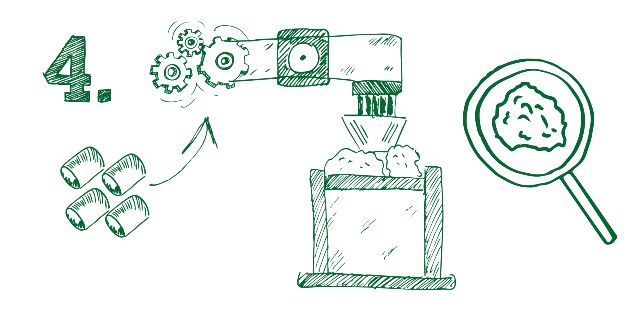
The recycled material is then processed into fibres. These fibres are used to produce the textile components of the RecycelBären®, including both the soft outer fabric and the filling.
Manufacturing the Textile Materials
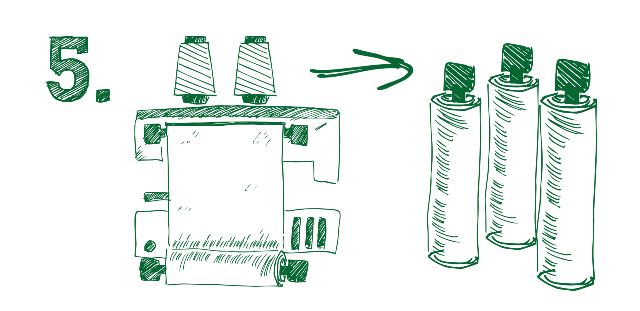
The recycled fibres are woven into fabric, which later serves as the base material for the teddy bears.
Manufacturing the RecycelBären®
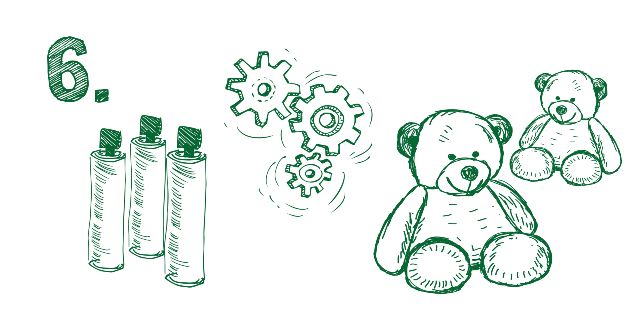
The prepared textile materials are used to manufacture the MiniFeet® RecycelBären®. The individual parts are cut, sewn, filled and finished. Find out how a teddy bear is made HERE
FAQ: Frequently asked questions about MiniFeet® RecycelBären®
Which parts of the RecycelBären® are made from recycled PET?
The RecycelBären® feature both an outer fabric and a filling made from recycled PET derived from used PET bottles. The exact material composition is specified in the relevant product information.
How are PET bottles turned into textile fibres?
Used PET bottles are cleaned, shredded and processed into regranulate. This material is then used to produce recycled polyester fibres, which are subsequently used for both the outer fabric and the filling of the cuddly toys.
Is the entire cuddly toy made from recycled PET?
The material information relates specifically to the outer fabric and the filling. Other components, such as sewing thread, labels or accessories, may be made from different materials. Product-specific details can be found in the relevant product information.
Why are the eyes and nose embroidered?
The eyes and nose of the RecycelBären® are embroidered directly onto the product rather than attached as separate plastic parts. This means that no additional plastic components are required for these details, while also giving the cuddly toys their distinctive friendly character.
Which models are available in the Recycled Collection?
In addition to the classic RecycelBären®, the MiniFeet® Recycled Collection includes a variety of animal characters, sizes and designs. The range is regularly expanded with new characters.
Can the cuddly toys be customised?
Yes. Depending on the model, the cuddly toys can be customised with accessories such as mini T-shirts, triangular scarves or individually printed accessories. This allows them to become engaging brand ambassadors for companies, campaigns and events.
Are the RecycelBären® recyclable?
The use of recycled PET does not automatically mean that the entire cuddly toy is recyclable at the end of its life. This depends on factors including the combination of materials used, local waste collection systems and the recycling facilities available.
Are the RecycelBären® climate neutral or carbon neutral?
No. The use of recycled materials does not make a product climate neutral or carbon neutral. For selected products and orders, defined emission components can be calculated and documented using a model-based methodology. In addition, a voluntary financial contribution can be made to support a selected climate action project. This contribution does not alter the emissions actually generated by the product.